Campus No-Contact Orders vs Court Protective Orders: What’s the Difference?

A campus no-contact directive is an institutional measure. A protective order comes from a court. Here is how their terms, enforcement routes, and consequences differ.
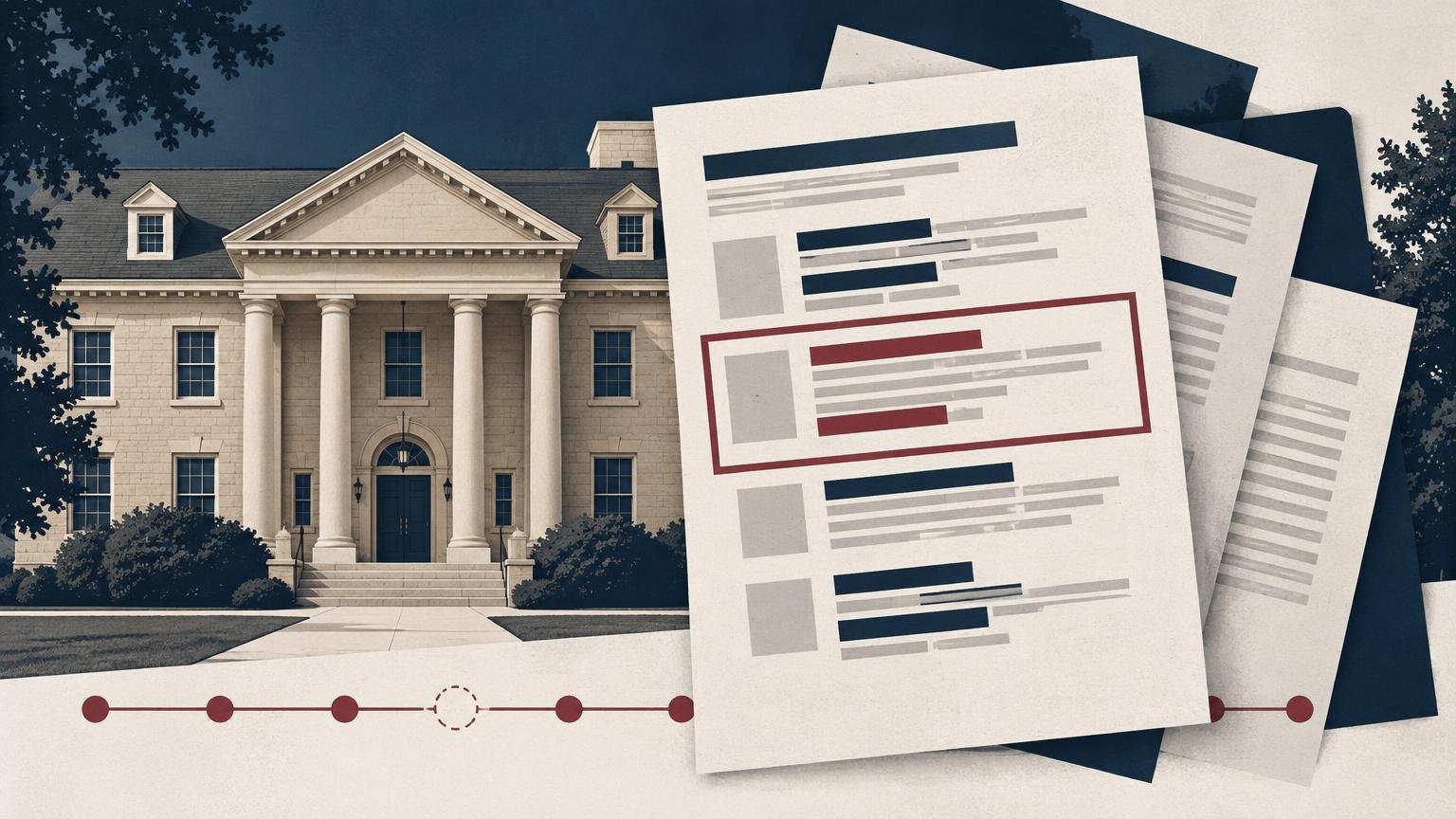
A hazing transparency report records certain final institutional findings, not every complaint or incident. Here is how to read its dates, sanctions and limits.
A chronological examination of Lauren McCluskey’s reports, the University of Utah’s actions, the failures later identified, and the record of reform.
A date-driven account of what Penn State officials learned about Jerry Sandusky, how they responded, and what courts, investigators and regulators later concluded.
Hiring an outside investigator does not make a university investigation independent. Use these criteria to examine control, conflicts, access, disclosure, and follow-through.
A college Annual Security Report is a bounded disclosure record, not a complete safety score. Learn how to examine its dates, geography, statistics, policies, and omissions.
Michigan State received a warning about Larry Nassar in 2014. Its response shows how institutional deference, conflicted expertise, and delayed scrutiny failed complainants.
The supplied case chronology depends on court filings, official actions, disciplinary outcomes, and news reports dated after the current publication date. Here is what remains unverified and why the distinctions among the proposed proceedings matter.